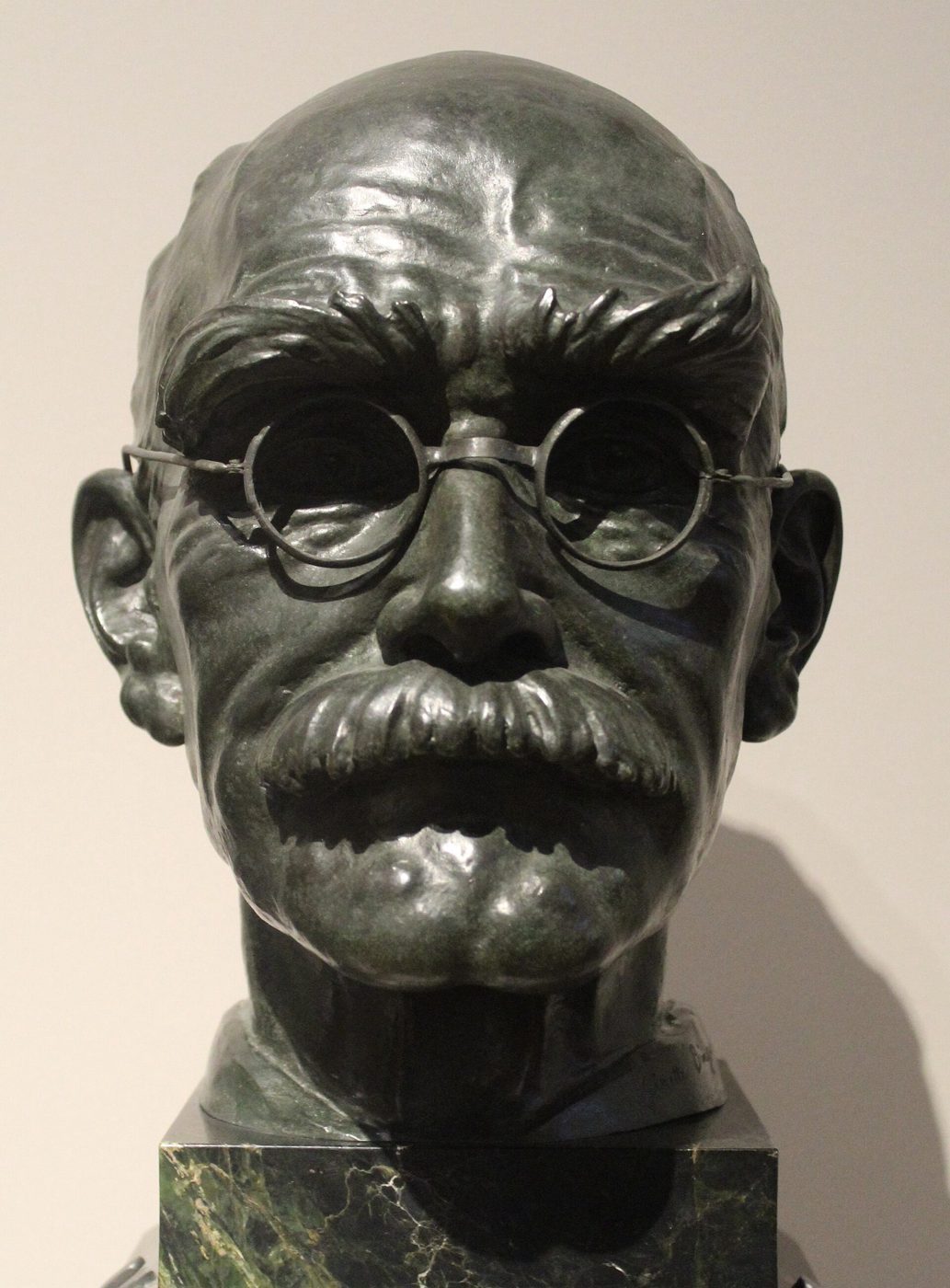
The Jungle Book and The War of the Worlds have something surprising in common: Southsea. Before they were world famous, both Rudyard Kipling and H.G. Wells spent some of the unhappiest years of their young lives in our corner of Pompey. The Rudyard Kipling Southsea story in particular is a dark one, but it shaped the writer he became.
Here’s how two literary giants ended up in Southsea, what they made of it (spoiler: not much) and where to find the traces today.
Rudyard Kipling and the House of Desolation
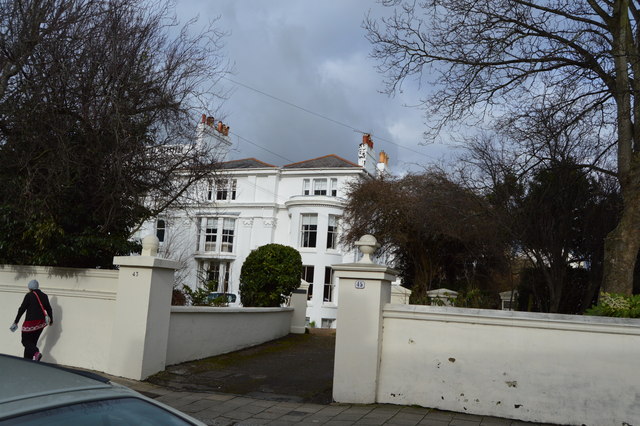
Kipling was born in India in 1865. Like many children of British families there, he was sent back to England for his schooling. In October 1871, aged just five, he and his three-year-old sister Alice, known as Trix, were left with a foster family at Lorne Lodge, 4 Campbell Road, Southsea.
The house belonged to Captain Pryse Agar Holloway, a former merchant navy officer, and his wife Sarah. It didn’t go well. Kipling later called the house “the House of Desolation”, and in his autobiography he described the treatment he received there as “calculated torture, religious as well as scientific”. He wrote simply: “Myself I was regularly beaten.”
His escape was reading, losing himself in books like Robinson Crusoe. The Rudyard Kipling Southsea years were lonely ones, but they also turned a little boy into a voracious reader. In the spring of 1877 his mother returned from India and took the children away. He’d been in Southsea for more than five years.
How Southsea shaped his writing
Kipling never forgot those years. He turned them into a short story, Baa Baa, Black Sheep, first published in 1888, in which two children, Punch and Judy, are left with a cruel foster mother. It’s widely read as a thinly disguised account of his own time on Campbell Road. He returned to the subject decades later in his autobiography, Something of Myself, published in 1937, the year after his death.
It’s a sobering thought that a man who went on to win the Nobel Prize in Literature had such a hard start, right here in Pompey.
Visiting the Rudyard Kipling Southsea plaque
Lorne Lodge still stands at 4 Campbell Road. A blue plaque on the house reads “Rudyard Kipling 1865-1936 writer and Nobel Laureate lived here as a boy 1871-1877”. It was put up in July 2004 as part of English Heritage’s pilot scheme for plaques outside London. It’s a private home, so admire it from the pavement.
H.G. Wells: the unhappy apprentice
A few years after Kipling left, another future great arrived in town. In 1881, at the age of 14, Herbert George Wells started an apprenticeship at Hyde’s Southsea Drapery Emporium, on the corner of King’s Road and St Paul’s Road.
He hated it. He worked 13-hour days starting at 7am and slept in a dormitory with the other apprentices. His biographers describe it as one of the most miserable periods of his life, and he later remembered it with considerable distaste. After about two years he’d had enough and left. He went on to write The Time Machine and The War of the Worlds, and nobody ever made him fold a bolt of cloth again.
From the shop floor to the bookshelf
Just as the Rudyard Kipling Southsea years found their way into Baa Baa, Black Sheep, Wells turned his misery into fiction:
- Kipps (1905): Arthur Kipps is apprenticed to a draper at 14. Sound familiar?
- The History of Mr Polly (1910): Polly is a draper who hates the trade.
- The Wheels of Chance (1896): features Hoopdriver, a draper’s assistant.
Sadly the shop is long gone, and unlike Kipling there doesn’t appear to be a plaque marking Wells’ time in Southsea. Someone should sort that out. Council, are you listening?
Southsea, the literary hotspot
Kipling and Wells are in very good company. Pompey’s literary links are seriously impressive:
- Charles Dickens was born in Landport in 1812. See my Charles Dickens Portsmouth piece.
- Arthur Conan Doyle wrote the first Sherlock Holmes stories while working as a GP on Elm Grove. Read my Arthur Conan Doyle Southsea article.
- George Meredith was born on Portsmouth High Street in 1828.
- Nevil Shute lived at 14 Helena Road, Southsea, from 1936 to 1940.
- Jane Austen sent her heroine Fanny Price back to her family’s chaotic home in Portsmouth in Mansfield Park.
Put the Rudyard Kipling Southsea plaque on Campbell Road together with the Conan Doyle plaques on Elm Grove and the Peter Sellers plaque on Castle Road, and you’ve got yourself a brilliant free literary walk. For the full list, see my guide to famous people from Portsmouth.
So next time someone tells you nothing happens in Southsea, tell them it helped make two of the greatest writers of all time. Even if they did both hate it, mush. For more history, explore my Pompey history hub, check the What’s On calendar, submit an event, and sign up for Good Morning Dinlos. 💙⚓
Sources: Wikipedia: Rudyard Kipling, Poetry Foundation: Rudyard Kipling, Kipling Society: Baa Baa, Black Sheep, Star and Crescent: Kipling, Memorials in Portsmouth: Kipling, Portsmouth City Council: blue plaques, Open Plaques: Kipling, University of Portsmouth: H.G. Wells, Literary Portsmouth map: H.G. Wells, Wikipedia: H.G. Wells, Hampshire Life: H.G. Wells, History in Portsmouth: George Meredith, Memorials in Portsmouth: Nevil Shute, Wikipedia: Mansfield Park.
Title photo: 14GTR, CC BY-SA 4.0, via Wikimedia Commons.
