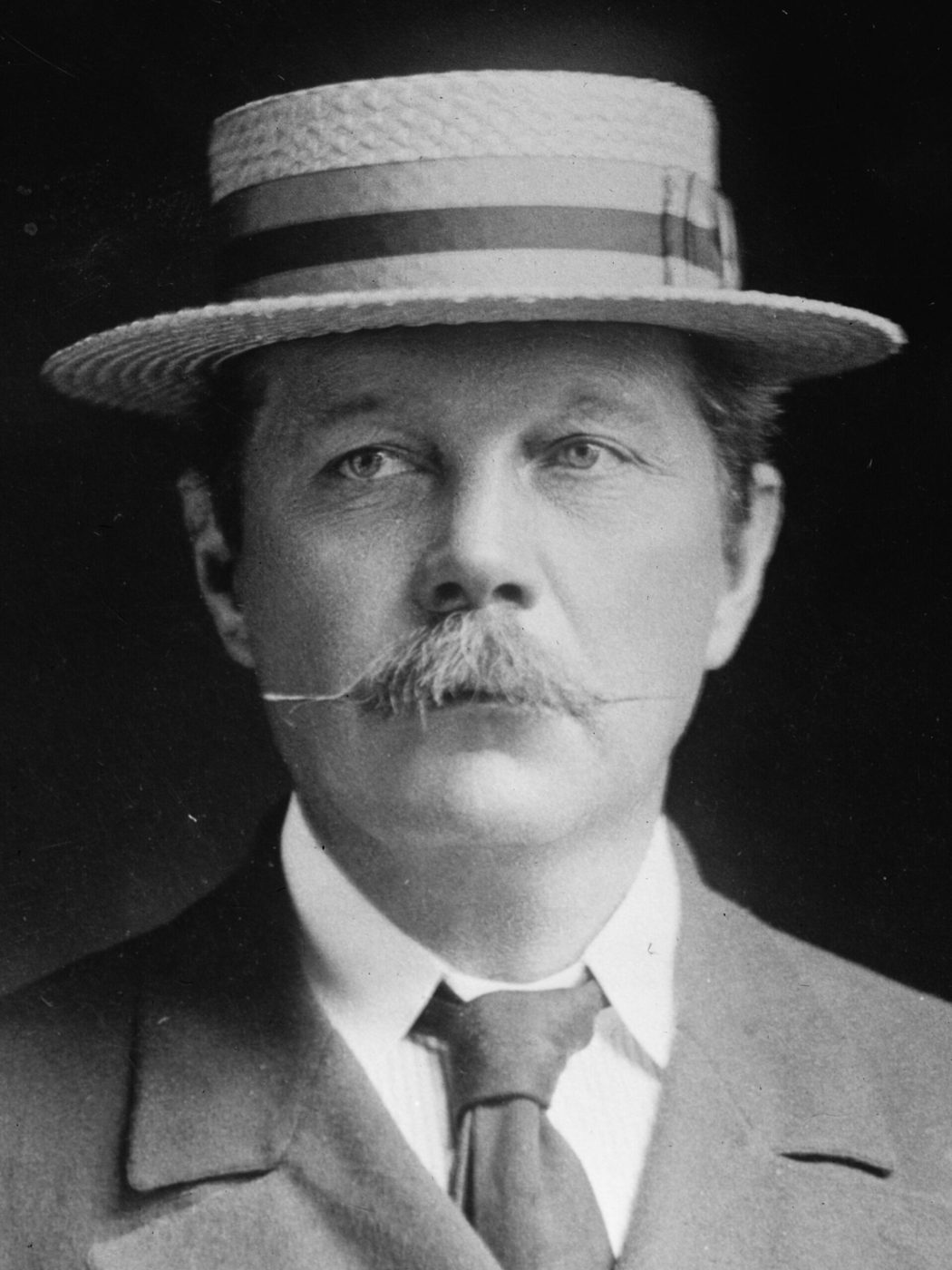
Here’s one to drop down the pub next time someone tells you Pompey has never produced anything clever. The world’s most famous detective was born right here, in a doctor’s surgery on Elm Grove. The story of the Arthur Conan Doyle Southsea years is a proper rags to riches tale: a skint young GP turns up with less than a tenner in his pocket and leaves eight years later having invented Sherlock Holmes.
So grab a cuppa (or a pipe, if you’re feeling very Baker Street) and let me walk you through it.
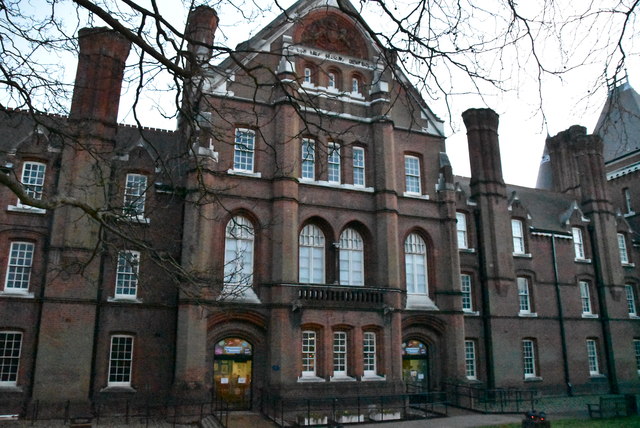
A skint young doctor arrives in Southsea
In June 1882 a 23 year old Scottish doctor called Arthur Conan Doyle stepped off the boat with, by most accounts, less than £10 to his name. He’d just fallen out with his business partner, George Turnavine Budd, after a short and messy medical partnership in Plymouth, and he fancied starting again somewhere new.
He chose Southsea, rented 1 Bush Villas on Elm Grove, put up his brass plate and waited for patients. They didn’t exactly queue round the block at first. Plenty of empty evenings, though, and that turned out to be very handy indeed.
Bush Villas, Elm Grove: where Sherlock Holmes was born
It was in those quiet hours at Bush Villas that he started writing seriously. In March and April 1886 he wrote a novel about a sharp, slightly odd detective and his loyal doctor friend. The publishers Ward, Lock and Co accepted it in November 1886, paying £25 for all the rights. Not a great deal, as it turned out.
A Study in Scarlet was published in Beeton’s Christmas Annual in November 1887. The first book edition followed in 1888, illustrated by his own dad, Charles Altamont Doyle.
The second Holmes novel, The Sign of Four, was written here too. It came about after a famous dinner at the Langham Hotel in London in August 1889, where an American magazine editor signed up both Doyle and Oscar Wilde. Imagine that table chat. It was published in Lippincott’s Monthly Magazine in February 1890.
If you’re hunting for Arthur Conan Doyle Southsea landmarks, there’s bad news first: you can’t knock on the door of Bush Villas today. The house was destroyed in a German air raid on 10 January 1941, during the Blitz that flattened so much of our city. A block of flats called Bush House now stands on the site, and on its side you’ll find plaques remembering that he practised there from 1882 to 1890 and that the first two Sherlock Holmes novels were written on that spot. One proudly calls Portsmouth the birthplace of the world’s greatest fictional detective. Too right.
Goalkeeper, cricketer and local legend
He wasn’t just scribbling away indoors, mind. The Arthur Conan Doyle Southsea years were busy ones, and he threw himself into Pompey life:
- Football: he played in goal for Portsmouth AFC, an amateur club founded in 1883, sometimes under the name “A. C. Smith”. Before anyone gets carried away, this was not the Portsmouth FC we know and love, which was founded in 1898. Still, a famous author keeping goal in Pompey? Proper.
- Cricket: he helped get Portsmouth Cricket Club going and was its captain in 1885. He played bowls on the Southsea green too.
- Brainy stuff: he was a keen member of the Portsmouth Literary and Scientific Society, giving a talk on “The Arctic Seas” in December 1883 at the Penny Street Lecture Hall, and later talks on writers like Carlyle and Meredith.
His personal life was rooted here too. He met his first wife, Louisa Hawkins, because her brother Jack was one of his patients. They married in 1885 (up in Yorkshire, not in Pompey) and their daughter Mary was born in Portsmouth in 1889.
Leaving Pompey (but never really leaving)
By 1890 he was ready for a change. The Literary and Scientific Society threw him a farewell dinner at the Grosvenor Hotel in Southsea on 12 December 1890, and early in 1891 he headed off to Vienna to study the eye, before settling in London a few months later. The rest, as they say, is history: Holmes, Watson, the Hound of the Baskervilles and all that.
His Southsea chapter only lasted about eight years, but it’s the one that made him. Without those slow days on Elm Grove there might never have been a Sherlock at all. Not bad for a dinlo with a tenner.
Following the Arthur Conan Doyle Southsea trail today
Fancy a bit of detective work of your own? Here’s where to look:
- The plaques on Elm Grove: find them on the side of Bush House, where Bush Villas once stood.
- The Arundel Street benches: installed in 2004, they reproduce a letter Doyle wrote in 1889 and the first manuscript page of A Study in Scarlet. Have a sit and a read.
- The Arthur Conan Doyle Collection: the late Richard Lancelyn Green left his huge collection to the city in 2004, around 40,000 archive items, 16,000 books and 3,000 objects. The archives and books live at the Central Library History Centre and can be seen by appointment (give them at least a week’s notice). Stephen Fry is the collection’s patron, no less.
- Portsmouth Museum and Art Gallery: free entry, open Tuesday to Sunday. Displays change, so check what’s on before you go if you’re after Holmes in particular.
Pair it with a wander round Southsea (my Southsea guide has plenty of ideas) and you’ve got a cracking free afternoon. If you love this sort of thing, have a nose at my Pompey history page and my piece on Charles Dickens and Portsmouth, our other literary son.
Why Sherlock’s Pompey roots matter
We’re quick to big up the Mary Rose, Nelson and the Spinnaker, and rightly so. But I reckon the Arthur Conan Doyle Southsea story deserves a bit more shouting about. Every time someone, anywhere in the world, picks up a Sherlock Holmes story, a bit of Pompey goes with it. That’s something to be proud of, mush.
Want more local goodness? Check the What’s On calendar for things to do this week, submit your event if you’re running something, and sign up for Good Morning Dinlos so you never miss a thing. 💙⚓
Sources: Arthur Conan Doyle Encyclopedia: Residences, Conan Doyle and Homes, Plaques, A Study in Scarlet, The Arctic Seas, Louisa Hawkins, Portsmouth Times, 13 December 1890, Conan Doyle Collection: The Pompey Lad, Conan Doyle Collection: A Good Sport, Wikipedia: Arthur Conan Doyle, Wikipedia: History of Portsmouth F.C., Arthur Conan Doyle Museums, Visit South East England: Portsmouth Museum.