On 6th June 1944, around 156,000 Allied troops landed by sea and air on five beaches in Normandy. It was the biggest invasion ever assembled, and a huge part of it was planned, prepared and launched from right here. The Portsmouth D-Day story is one every Pompey local should know, so here’s how our city helped change the course of the war, and where you can see it for yourself today.
A city sealed off
The build-up started long before June. Restrictions on moving around Portsmouth began in August 1943, around ten months before the invasion. On 1st April 1944, Southsea seafront was declared a restricted zone, and on 26th May the troops were sealed into their camps.
The roads, the Common and the Solent filled up with soldiers, vehicles and ships. Hundreds of vessels gathered off our coast, waiting for the order to go.
The decision at Southwick House
About five miles north of the city, on the far side of Portsdown Hill, sits Southwick House. In 1944 it became the headquarters of the Allied commanders: General Eisenhower, the Supreme Commander, along with Admiral Ramsay and General Montgomery.
Early June was stormy, and the invasion was put back by 24 hours. Then the weather forecasters, led by Group Captain James Stagg, spotted a short break in the weather. Eisenhower made the call to launch the invasion from Southwick House, reportedly with the words “Okay, let’s go.”
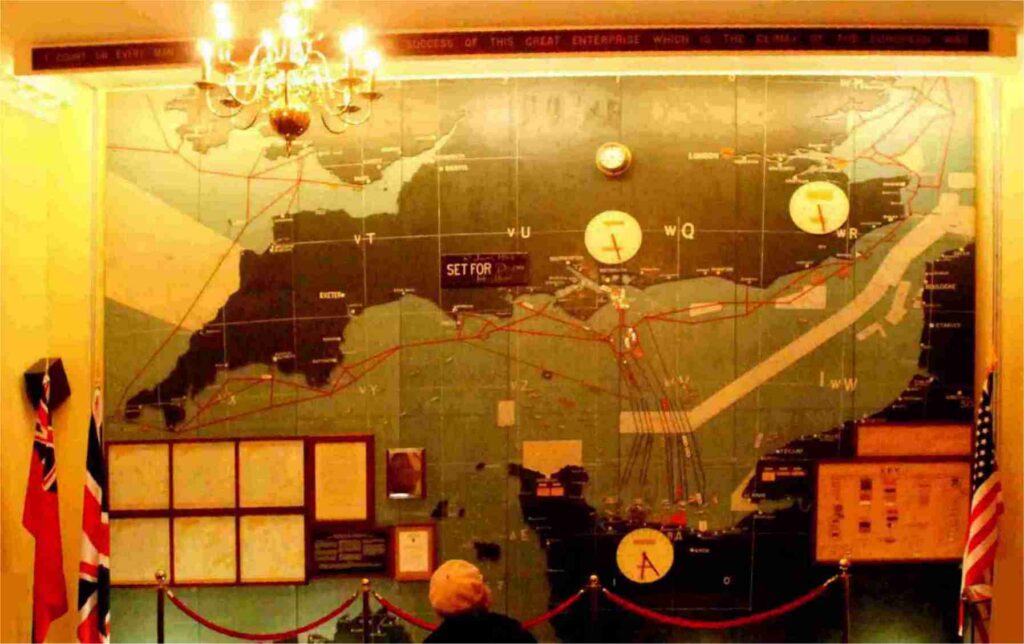
The giant wall map used to plot the invasion, one of the most important objects in Portsmouth D-Day history, is still in the map room today. And here’s a fact I love: it was made by Chad Valley, the toy company, which had switched to war work. Southwick House is still a military site, now home to the Defence School of Policing and Guarding.
Leaving from Pompey
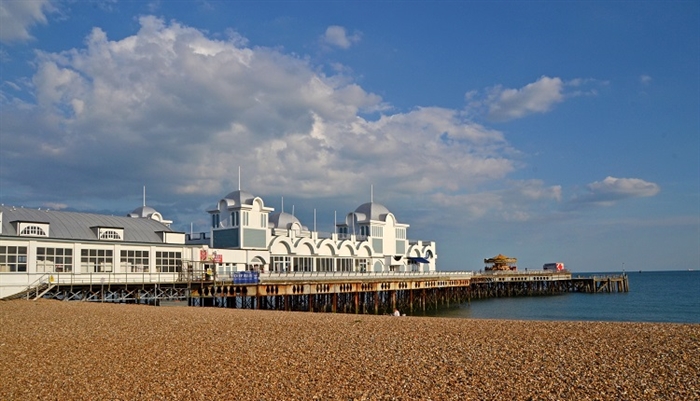
Troops boarded their ships and landing craft from all around our harbour and coast, including South Parade Pier in Southsea, Portsmouth Dockyard, Gosport and Stokes Bay. Next time you’re on South Parade Pier, think about the men who walked along it on their way to Normandy. I cover more of the pier’s story in my South Parade Pier history.
The whole area played its part
It wasn’t just the city. All around Portsmouth, people and places did their bit:
- Fort Southwick on Portsdown Hill housed an underground headquarters that helped coordinate the invasion fleet.
- Airspeed, at the old Portsmouth Airport, designed the Horsa glider that carried airborne troops into Normandy.
- HMS Dolphin in Gosport sent out two X-craft midget submarines, the first Allied vessels to set off for Normandy.
- Priddy’s Hard and the Royal Clarence Victualling Yard in Gosport supplied ammunition and food.
- Vospers in Portchester built motor torpedo boats to protect the fleet.
- Camper and Nicholson in Gosport built parts for landing craft and the Mulberry harbours. A Phoenix caisson from the Mulberry project still sits in Langstone Harbour today.
- Hayling Island hosted rehearsals for the landings in May 1944, known as Exercise Fabius.
The D-Day Story museum
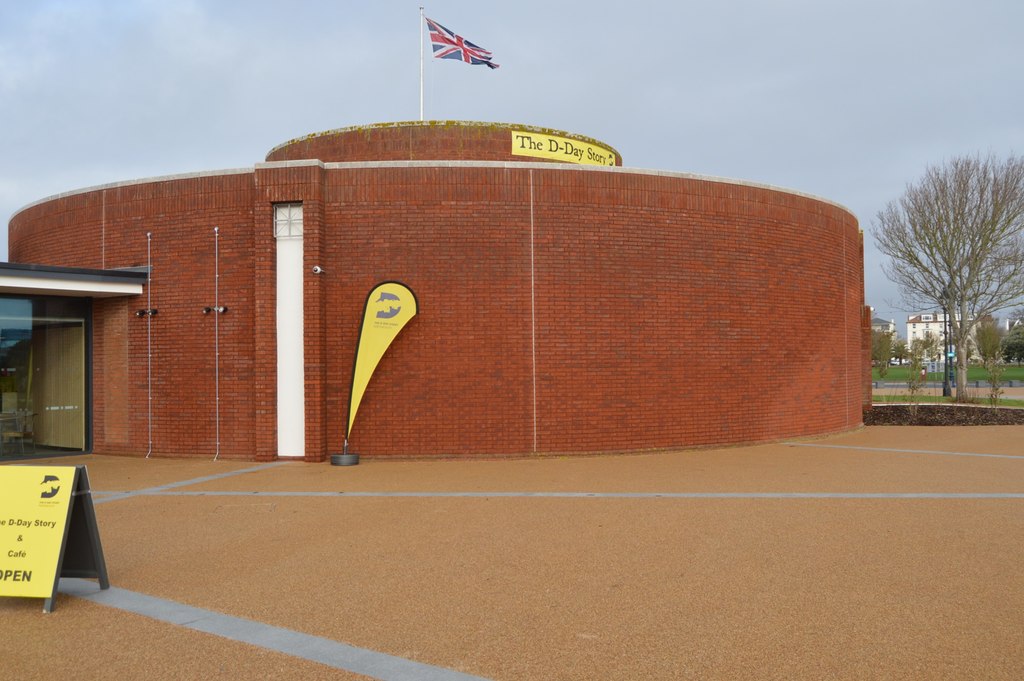
If you want to understand Portsmouth D-Day history properly, The D-Day Story on Clarence Esplanade in Southsea is the place to go. It’s the only museum in the UK dedicated to the D-Day landings. It first opened as the D-Day Museum in 1984, opened by the Queen Mother, and reopened as The D-Day Story in March 2018 after a £5 million refurbishment.
The museum holds more than 10,000 items and tells the story through the eyes of the people who were there, from the planning and preparation to the landings and the Battle of Normandy.
The Overlord Embroidery
The museum’s showstopper is the Overlord Embroidery. Commissioned by Lord Dulverton to remember everyone who took part in D-Day and the Battle of Normandy, it took 20 members of the Royal School of Needlework seven years to make. It’s 83 metres long, across 34 panels. You have to see it in person to take in the size of it.
LCT 7074
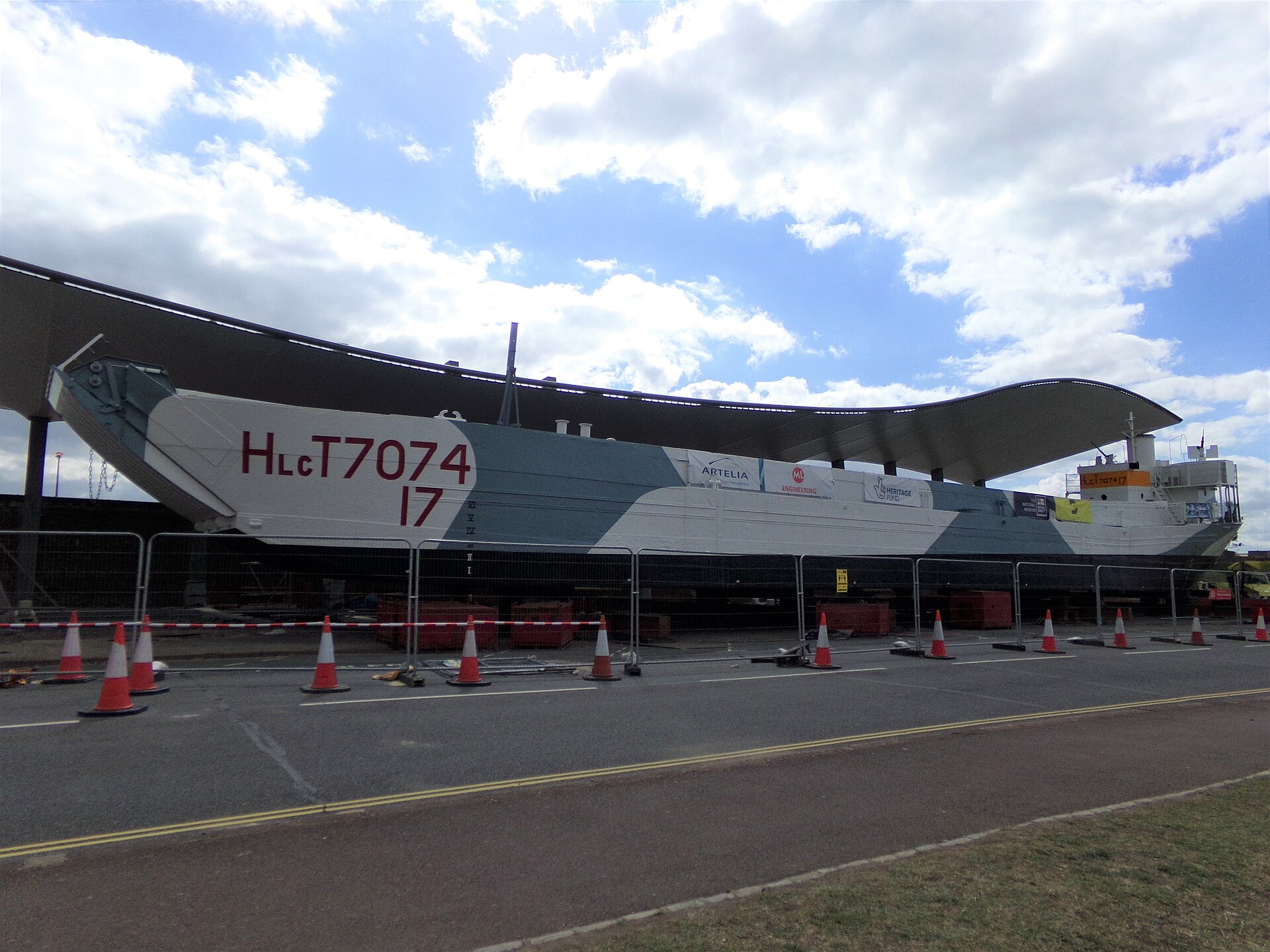
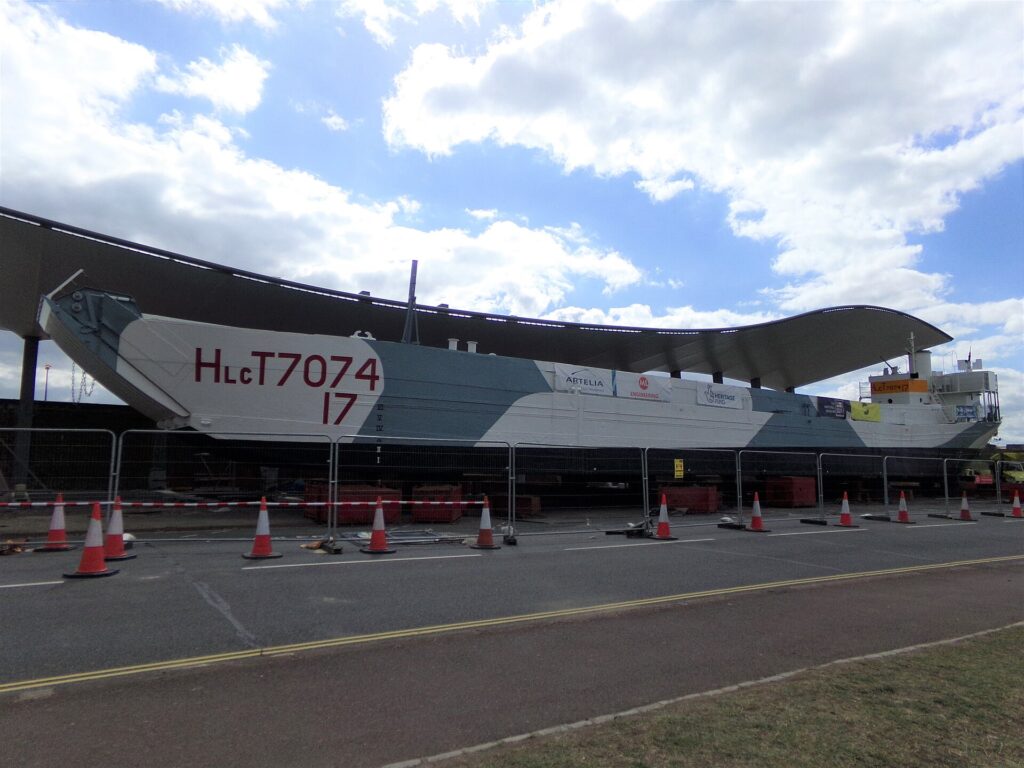
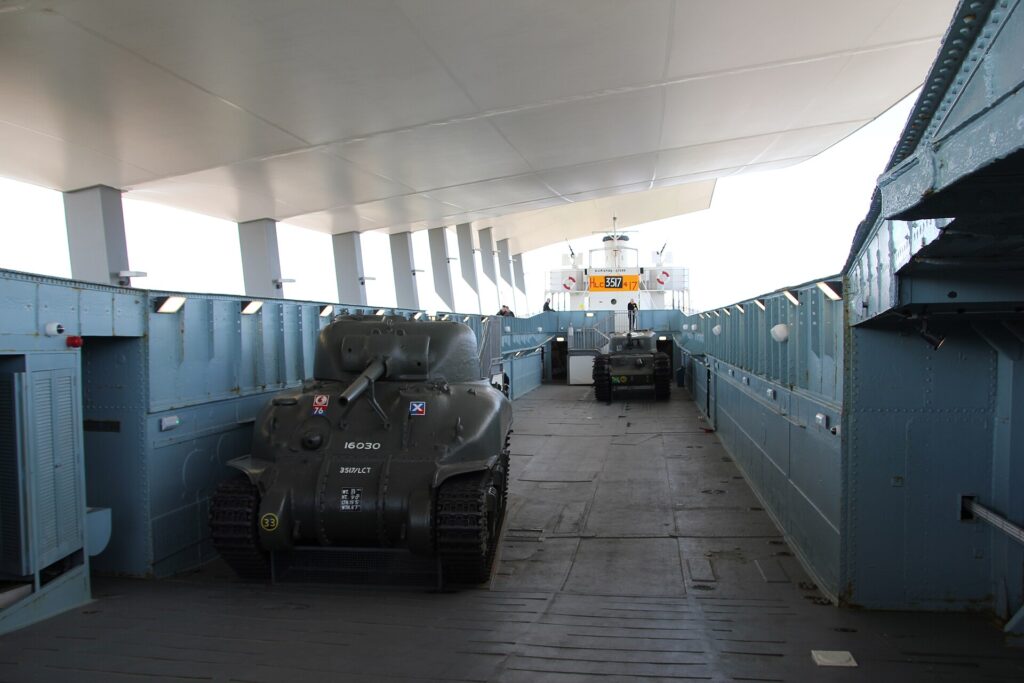
Outside the museum is LCT 7074, the last surviving Landing Craft Tank in the UK. She was launched in April 1944 and on D-Day she landed nine tanks on Gold Beach.
Her place in Portsmouth D-Day history is secure, but her story after the war is a wild one. She became a club ship in Liverpool, then a nightclub, before eventually sinking at her mooring in Birkenhead. The National Museum of the Royal Navy raised her in 2014, brought her to Portsmouth, restored her and put her on display at The D-Day Story in 2020. Your museum ticket lets you go on board and explore her decks.
Visiting
There’s a car park next to the museum, and it’s an easy walk along the seafront from Southsea Castle. Opening times change between summer and winter, so check the museum’s website before you go. While you’re down that way, have a look at my Southsea Castle history and my Southsea guide for more to do nearby.
Remembering D-Day in Portsmouth
Pompey has always taken remembering D-Day seriously. For the 75th anniversary in 2019, Queen Elizabeth II and world leaders came to Southsea Common for the national commemoration. In 2024, for the 80th anniversary, King Charles and Queen Camilla joined the events here.
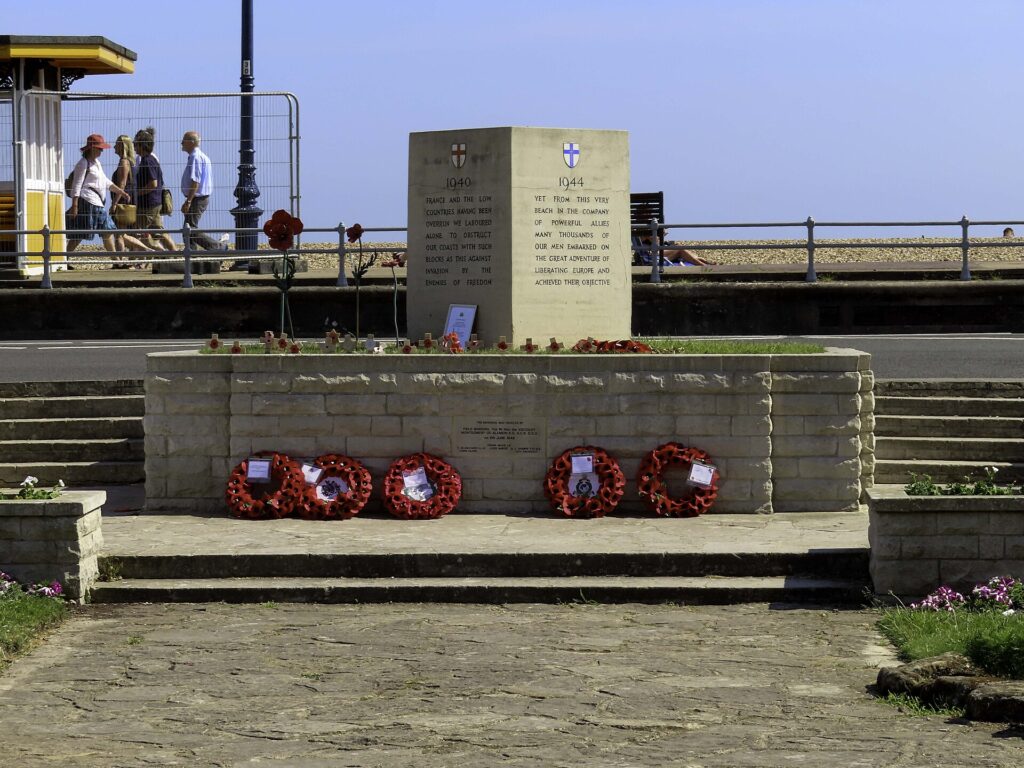
On D-Day anniversaries, people gather at the D-Day memorial on Southsea seafront to lay wreaths and remember. It’s worth stopping there next time you’re passing.
Why the Portsmouth D-Day story matters
We talk a lot about Pompey being a Navy city, and D-Day is one of the biggest reasons why. The decision was made just up the road, the fleet gathered on our doorstep and our streets were full of the men who went. If you’re exploring more of the city’s history, my guide to the Portsmouth Historic Dockyard is a great next stop.
We will remember them 💙⚓
Sources: Wikipedia: The D-Day Story, Wikipedia: LCT 7074, Wikipedia: Southwick House, GOV.UK DIO blog: the D-Day map, History Hit: The D-Day Story and The News: Portsmouth’s special connection with D-Day.