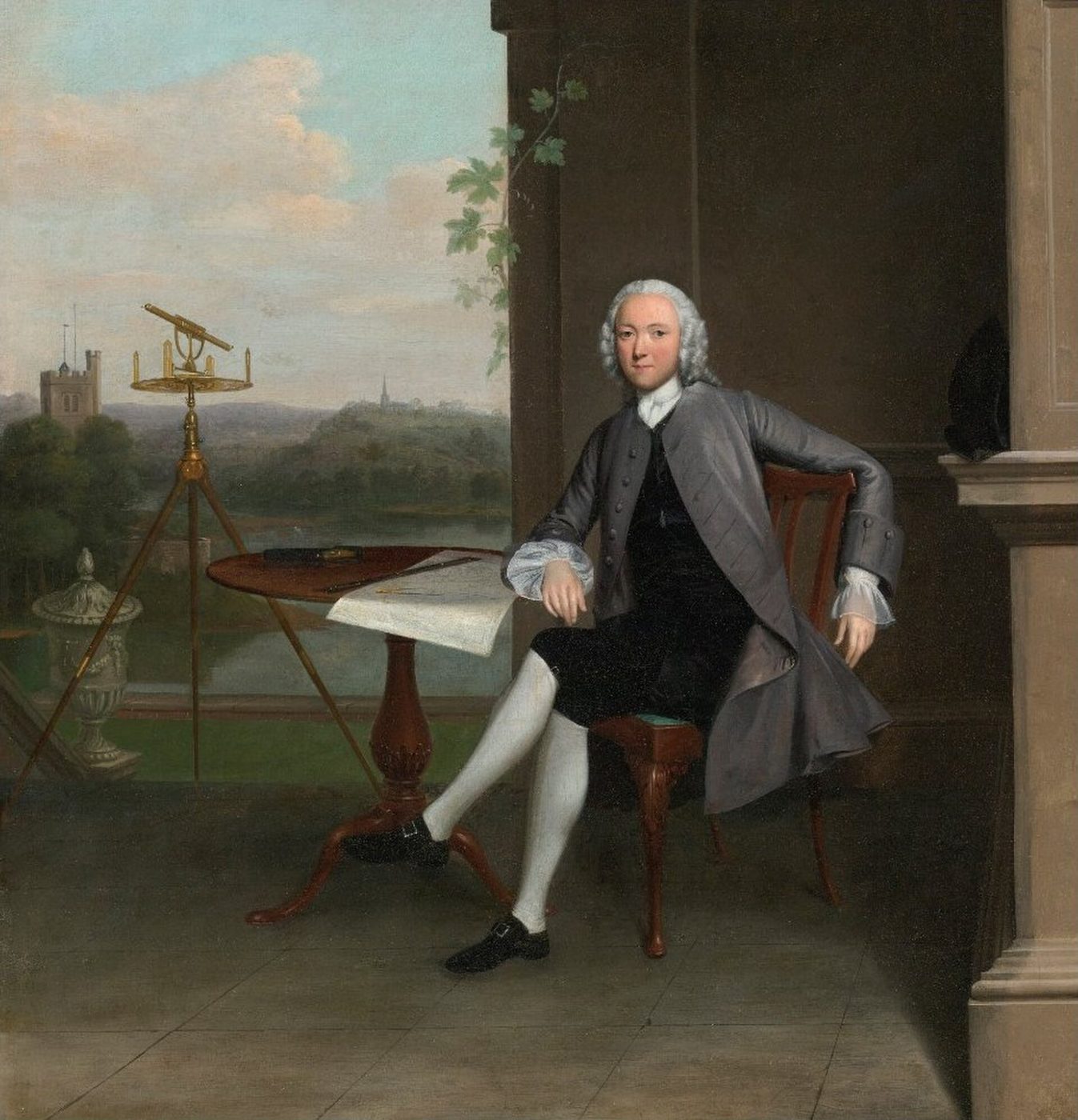
Next time you put an umbrella up on a soggy Southsea afternoon, spare a thought for the Pompey-born philanthropist said to be the first man to carry one in London. The Jonas Hanway Portsmouth story takes in Russia, Persia, the Royal Navy, orphaned children and a famous rant about tea. What a character.
Born into a naval family
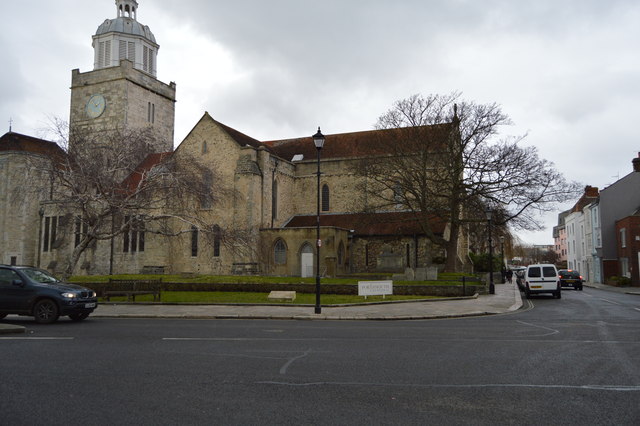
Jonas Hanway was born in Portsmouth in August 1712 and baptised at St Thomas’s Church, which is now Portsmouth Cathedral. Sources disagree slightly on the exact dates, and he himself preferred to give 12 August as his birthday.
His father, Thomas Hanway, had recently been appointed Agent Victualler to the Navy at Portsmouth, responsible for keeping the fleet fed, and the family lived in St George’s Square. Sadly, Thomas died after a fall from his horse while Jonas was still tiny, and the family later moved away from the town.
His parents’ ledger stone is still in St Thomas’s Chapel in the Cathedral, so the Jonas Hanway Portsmouth link is literally set in stone.
From Lisbon to Persia
In 1729 young Jonas was apprenticed to a merchant in Lisbon. By 1743 he’d become a partner of a merchant in St Petersburg and was trading all the way into Persia. It wasn’t plain sailing: his goods were seized at Astrabad, though he got most of them back. He finally returned to England on 28 October 1750.
And he brought back an idea that would make him famous.
The umbrella man
Jonas Hanway is said to have been the first man to carry an umbrella in London. Just picture the looks he must have got. Today you’d struggle to find a Pompey home without one by the front door.
One local account says his umbrella was Persian-made, and a descendant once described it as having an ebony handle, pale green silk on the outside and a straw-coloured satin lining. Very fancy.
These days an umbrella is about as ordinary as it gets, but someone had to be first. It’s quite something that one of the first was a lad born in Pompey.
A heart for others
Umbrellas aside, Hanway’s real legacy is his charity work:
- The Marine Society: he founded it in 1756 to recruit and kit out boys and men for the Navy. One local history says it supplied around 6,000 boys to the fleet in six years.
- The Foundling Hospital: he became a governor in 1758 and vice-president in 1772, helping to care for abandoned children.
He also had strong opinions. In 1756 he published An Essay on Tea, calling it “pernicious to health” among other things. Samuel Johnson reviewed it critically, and as a nation we clearly ignored him. Put the kettle on.
As someone who runs on builder’s tea, I’m glad that particular campaign didn’t catch on. But you have to admire a man who was never afraid to say what he thought, even when the whole country disagreed with him.
Back to Pompey to feed the fleet
Here’s a part of the Jonas Hanway Portsmouth tale that often gets missed. In 1762 he was appointed Commissioner for Victualling the Navy, following in his dad’s footsteps. His office was above the Square Tower on the High Street in Old Portsmouth.
He built a slaughterhouse and turned the old “Powder Bridge” into a “Beef Stage” to get supplies to the fleet. So next time you’re stood at the Square Tower looking out over the harbour mouth, picture Hanway upstairs, working out how to keep the fleet fed.
Finding Jonas Hanway Portsmouth landmarks today
There’s no statue or plaque in the city that I could confirm, but there are still places to connect with him:
- Portsmouth Cathedral: where he was baptised, with his parents’ ledger stone in St Thomas’s Chapel. His mother Mary, who died in 1755, is buried beside his father.
- The Square Tower: his victualling office on the High Street.
Both are a few minutes’ walk apart, so it makes a lovely little Old Portsmouth history trail. Finish with a stroll along the Hot Walls and a look out at the harbour he helped supply.
His final years
Hanway died unmarried in London on 5 September 1786, aged 74, and was buried in the crypt of St Mary’s, Hanwell. A monument to him stands in the north transept of Westminster Abbey, showing Britannia handing out clothing to Marine Society boys. Not bad for a lad from Pompey.
The Jonas Hanway Portsmouth story is a reminder that this city has always produced people who think differently, whether that’s about umbrellas, tea or looking after kids nobody else would.
Love this sort of thing? Read about the Old Portsmouth pubs near the Square Tower, browse my list of famous people from Portsmouth and explore my Pompey history hub. Check the What’s On calendar, submit an event, and sign up for Good Morning Dinlos. 💙⚓
Sources: Wikipedia: biography, History in Portsmouth, Portsmouth Cathedral, Memorials in Portsmouth: the Hanway ledger stone, Westminster Abbey.