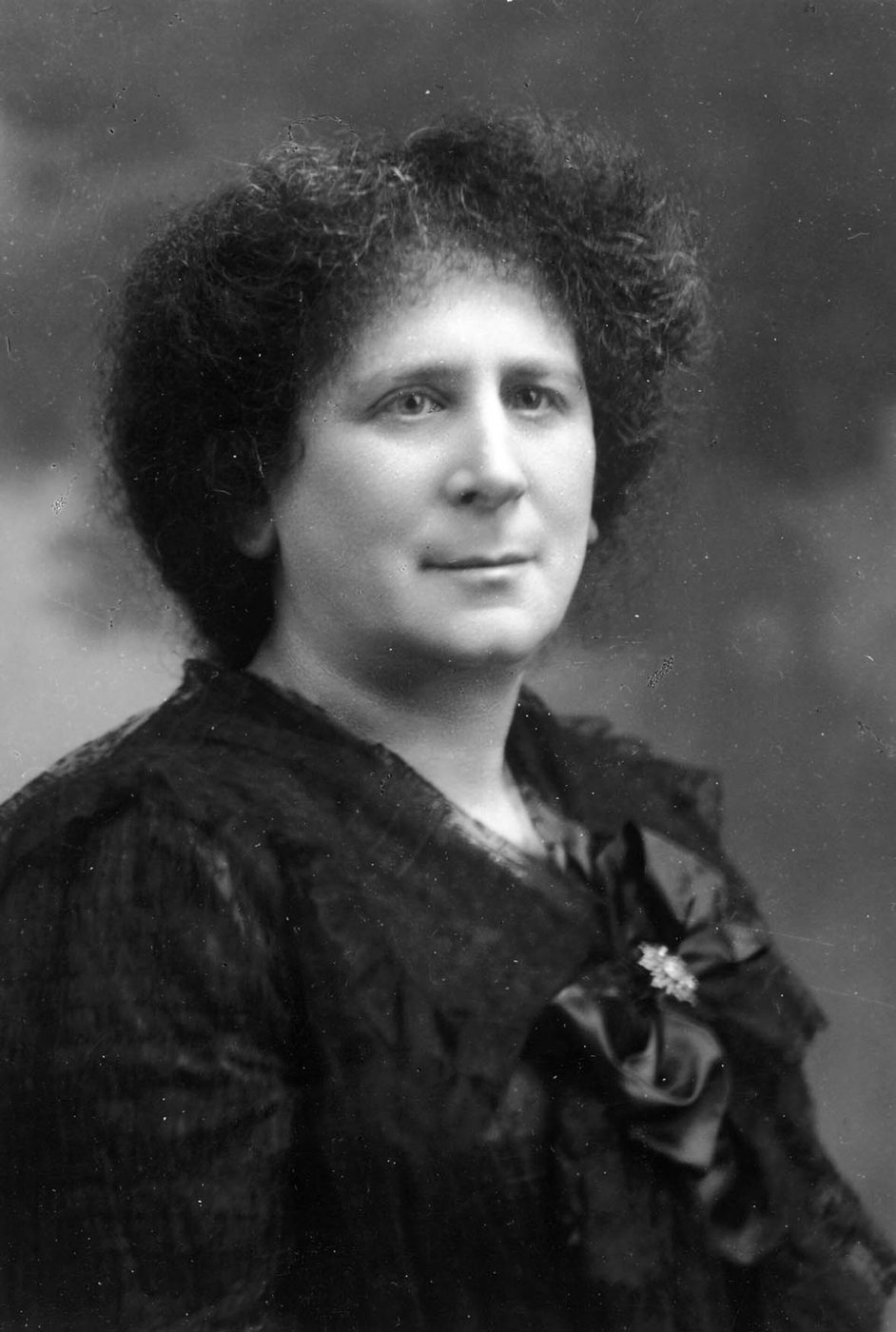
She took on the scientific establishment, invented a fan that helped soldiers in the First World War, marched with the suffragettes and became the first woman to win one of the Royal Society’s top medals. And she was born in Portsea. The Hertha Ayrton Portsmouth story deserves to be far better known, so let’s put that right.
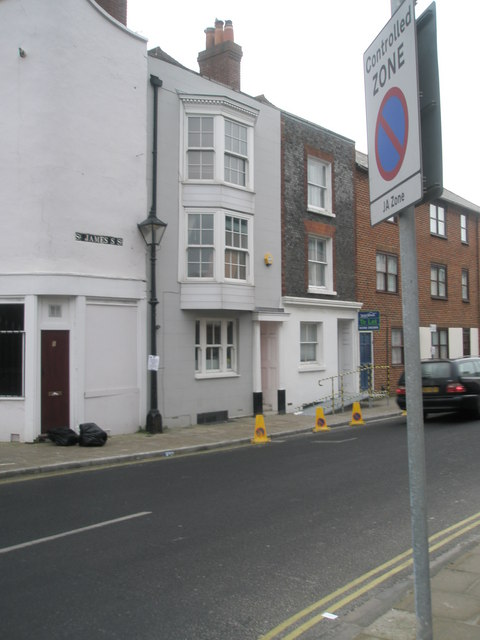
A Portsea girl called Phoebe
Hertha Ayrton was born Phoebe Sarah Marks on 28 April 1854 in Queen Street, Portsea. Her father, Levi Marks, was a Polish-Jewish watchmaker and jeweller, and her mother, Alice, was a seamstress and the daughter of a Portsea glass merchant.
Life got hard early. Her father died in 1861, when she was about seven, leaving the family struggling. At nine she was sent to London to a school run by her aunt and uncle, and by 16 she was working as a governess.
The name “Hertha” came later. A friend, Ottilie Blind, gave her the nickname after Swinburne’s poem of the same name, and it stuck.
Breaking into science
This is where the Hertha Ayrton Portsmouth story turns into something remarkable. With the help of the campaigner Barbara Bodichon, who became her mentor and helped fund her fees, she went to Girton College, Cambridge. She sat the Mathematical Tripos in 1880, but Cambridge didn’t award degrees to women back then, so she took an external degree from the University of London in 1881 instead. The novelist George Eliot also supported her, and it’s said that the character Mirah in Eliot’s Daniel Deronda bears a strong resemblance to her.
In 1885 she married the physicist William Ayrton, who had taught her at Finsbury Technical College, and threw herself into research.
The electric arc and a run of firsts
For me, this is the part of the Hertha Ayrton Portsmouth story that really blows you away. She became an expert on the electric arc. Her firsts are incredible:
- 1899: she read her paper “The Hissing of the Electric Arc” to the Institution of Electrical Engineers and was elected its first female member two days later.
- 1902: she published her book The Electric Arc, and was nominated as a Fellow of the Royal Society. The Society’s lawyers ruled that married women weren’t eligible. Outrageous.
- 1904: she became the first woman to read her own paper at the Royal Society, on how ripple marks form in sand.
- 1906: she won the Royal Society’s Hughes Medal for her work on the electric arc and sand ripples, the first woman ever to receive it.
A fan that went to war
During the First World War, she turned her knowledge of air and ripples into something practical: the Ayrton anti-gas fan, designed to clear poison gas from the trenches. It was tested in May 1915, and 104,000 were issued on the Western Front.
Suffragette and campaigner
The girl from Queen Street didn’t just fight for women in science. She joined the Women’s Social and Political Union in 1907 and was part of the Black Friday delegation on 18 November 1910. She boycotted the 1911 census, and she even hosted Emmeline Pankhurst while she recovered from hunger strikes. A proper force of nature.
She died on 26 August 1923 in Sussex, after blood poisoning from an insect bite.
Remembering Hertha Ayrton in Portsmouth
When it comes to Hertha Ayrton Portsmouth memorials, the city has finally started to give her the recognition she deserves:
- The plaque on Queen Street: unveiled on 6 February 2018, the centenary of some women first getting the vote, on the Motiv8 building at 6 Queen Street, the site of her birthplace. It describes her as an engineer, physicist and inventor, the first woman to be nominated as a Fellow of the Royal Society, and a suffragette.
- Hertha Ayrton Way: a street on The Hard named in her honour.
- The Ayrton Berth: Portsmouth International Port named its extended berth after her in 2021.
- Ayrton Tower: in 2025 the City of Portsmouth College announced it was renaming the tower at its Highbury Campus in her honour.
Beyond Pompey, there’s a London blue plaque on her later home in Norfolk Square, a research fellowship at Girton in her name, and even a Google Doodle on her birthday in 2016.
Why the Hertha Ayrton Portsmouth story matters
She was born into a hard-up family in Portsea, lost her dad as a child and faced a scientific world that literally had rules against her. She succeeded anyway. If you’ve got a daughter, niece or granddaughter who loves science, tell them about Hertha. Better still, take them to see the plaque on Queen Street and then go and watch the ferries from The Hard, just round the corner from the street named after her.
Her legacy is growing, and rightly so. She’s one of the most inspiring people ever to come out of this city.
Want more? Check out my list of famous people from Portsmouth and fellow Portsea-born genius Isambard Kingdom Brunel. Explore my Pompey history hub, check the What’s On calendar, submit an event, and sign up for Good Morning Dinlos. 💙⚓
Sources: Wikipedia: Hertha Ayrton, Science Museum Group Journal: Hertha Marks Ayrton, MacTutor: Hertha Ayrton, Royal Society: Almost a fellow, IET: Hertha Ayrton, HMdb: Hertha Ayrton plaque, Open Plaques: Hertha Ayrton, GDST: Hertha Ayrton tribute, Portsmouth International Port: the Ayrton Berth, Business South: Ayrton Tower.